Session II
Advances in Oenology
Advances in oenology include innovative fermentation techniques using specific yeast strains, malolactic bacteria, real-time monitoring, and advanced processing methods like membrane filtration and non-thermal technologies for clarification, stabilization, and alcohol reduction. Recent advances in winemaking technologies and the understanding of microbiology and microbial ecology have transformed the industry, primarily driven by innovations in molecular biology, data analytics, and sustainability efforts. New technology is enhancing both new and traditional practices to improve quality, consistency, and sustainability while also developing new products like low-alcohol or alcohol-free wines.
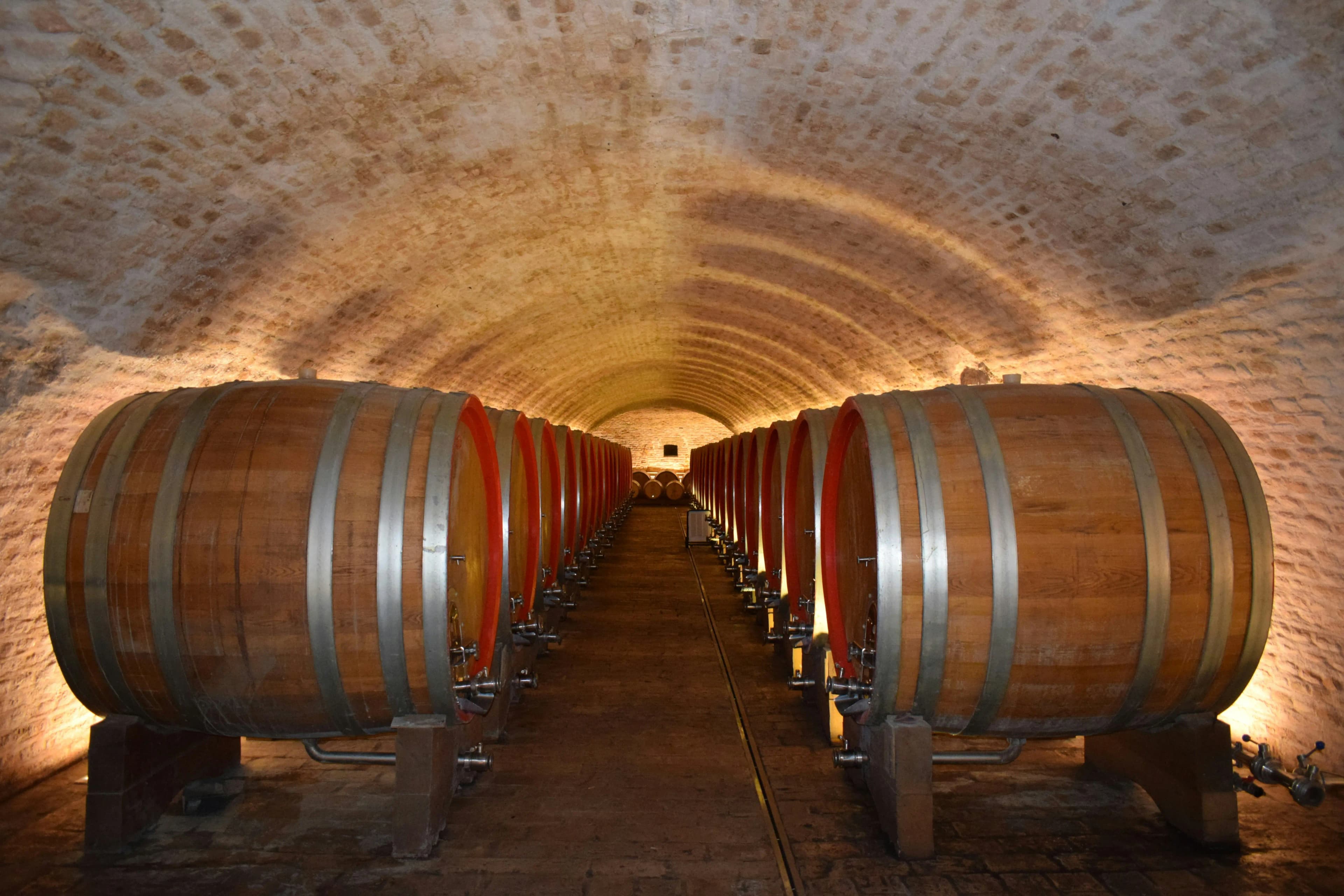
Winemaking technologies
The latest developments in winemaking technology include modern membrane processes such as ultrafiltration (selective adjustment of aroma substances, polyphenols, and colorants), innovative filtration processes to eliminate cloudiness, and forced acid correction and acid content control, which require specialist knowledge. Rapid testing technologies involve new instrumental methods to identify the type of wine and batches that are contaminated or have taste and aroma defects. Furthermore, digitalization and modern IT systems also play an important role in increasing efficiency.
Advances in winemaking sanitary systems focus on automated cleaning, non-chemical sterilization methods, and improved wastewater treatment. Key developments include automated pigging systems for efficient pipe cleaning, dry steam and UV light sterilization as alternatives to chemicals, and advanced wastewater treatment technologies like Membrane Bioreactors (MBR) and Pulsed Electric Field (PEF). These innovations aim to improve sanitation, reduce environmental impact, save water, and increase production efficiency.
Wine yeast genetics
Recent advances in wine yeast genetics focus on using gene editing (like CRISPR/Cas9), AI, and high-throughput phenotyping to precisely engineer yeast for traits like lower alcohol production, improved flavour profiles, and enhanced stress tolerance. New techniques allow for large-scale modification and analysis, moving beyond a few standard strains to explore a wider diversity of wine yeast species and hybrids to create synthetic microbial communities with specific fermentation characteristics.
Malolactic fermentation
Recent malolactic fermentation (MLF) research focuses on co-inoculation with other microbes to improve quality, isolating new strains for specific wine styles, and developing new methods to inhibit MLF or reduce SO2 levels. Co-inoculation with non-Saccharomyces yeasts or other bacteria can enhance flavour, colour, and microbial stability while shortening fermentation time. New strains of lactic acid bacteria are being identified from indigenous wine microbiota to improve typicity and address challenges like climate change.
Grape and wine-based spirits
Spirits derived from grapes and wine are generally categorized as brandies (distilled from wine) and pomace brandies (distilled from the leftover grape solids), each with distinct regional variations and flavour profiles or grape-based gin distilled from grapes instead of grain.
Wine vinegar production
Recent advances in wine vinegar production focus on optimizing the rapid industrial process (submerged fermentation) to enhance flavour, reduce maturation time, and ensure product consistency and authenticity. Key advances include Accelerated Flavour Maturation, Microbial Fortification and Selection, Advanced Bioreactors and Automation, "Omic" Technologies (genomics, proteomics, and metabolomics), and advanced Authenticity and Quality Control methods.
Low alcohol and alcohol-free wine production
Advances in low and alcohol-free wine production focus on preserving flavour during dealcoholisation and reducing alcohol content of wines. Key technologies include spinning cone and packed column vacuum distillation, which gently remove alcohol at low temperatures, preserving aromas.
Molecular fingerprinting of wines - protection against wine counterfeiting
Artificial intelligence recognises patterns in the complex mix of thousands of molecules that make up each wine. The concentration of these molecules varies from wine to wine. They can be influenced by even the smallest differences, such as the grape variety, the type of soil the grapes are grown in or the winemaking techniques used. This gives each wine a chemical fingerprint. This can be complemented by rare earth analyses, which may be specific to a particular growing region.